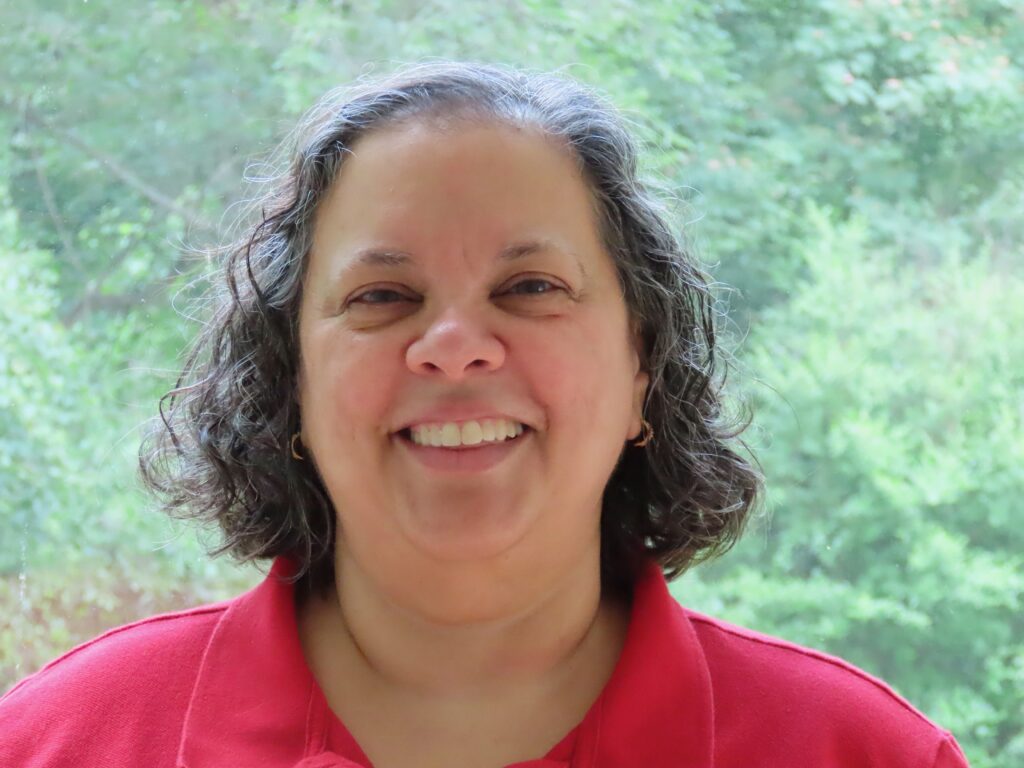
Lisa Escoto, and the reason this company exists
Lisa Escoto used her lifetime of experience as a government employee, government contractor, and special needs mom to create a government-funded, individual group home for her adult daughter, Elena, who lives with Angelman Syndrome. Wanting to help other families do the same, Lisa founded Family-Run Individual Group Homes of Virginia.
In her spare time Lisa is a published novelist, a passionate photographer, and a strong civil rights advocate.
In Lisa's words
The diagnosis
Elena was 13-months old when doctors told us she wasn’t meeting her milestones nor developing correctly. We were working at the American Consulate in Shanghai, China at the time. Overnight, our lives changed: an emergency medical evacuation and relocation back to the US; countless doctors, medical tests, and early intervention services. A few years later we received a formal diagnosis – Angelman Syndrome, a rare, neuro-genetic disorder that causes global development delays, sensory processing disorder, eliminates speech, and often causes seizures and mobility issues. (www.cureAngelman.org)
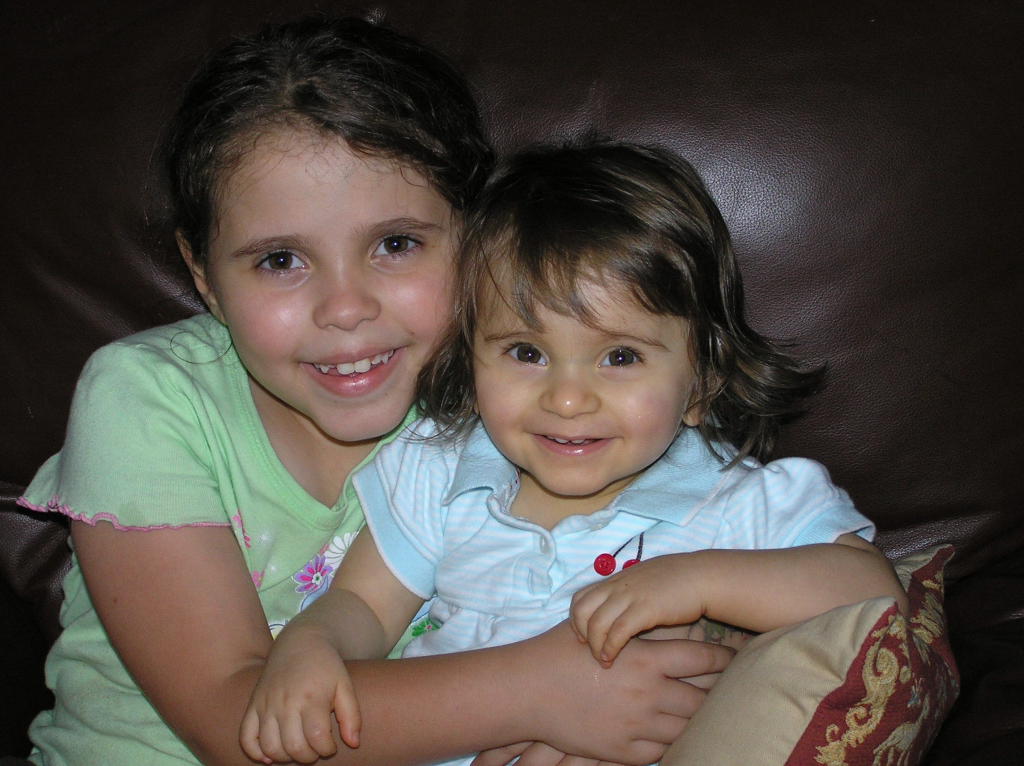

The diagnosis hit me really hard. Before the diagnosis I kept telling myself Elena was going to “catch up”, even though every day, and every missed milestone, separated her further from her peers. After the diagnosis I went into survival mode – doing everything I could to get through the day and heal my kid. Our lives revolved around therapy appointments, special education, and trying to create a new life that didn’t include most of the goals and dreams I’d always wanted. Returning to life overseas wasn’t an option for me due to Elena’s unique educational and medical requirements. My life shrank to special needs childcare and mourning all I thought I’d lost.
Growing into a new normal
Thankfully, just like Elena’s development, my growth happened slowly, and differently than I’d envisioned. I grew into this “new normal”. And I recognized that, like the classic poem, Welcome to Holland, this life we were living wasn’t awful and horrible – it was just different. Challenging, frustrating, overwhelming at times, but not impossible. And not without its moments of joy, peace, and beauty.

Building a program around her
Early Intervention therapies morphed into public school special education then into a customized homeschooling program when I realized I could create an individualized educational and therapeutic program for Elena that served her best. I used the attendant care hours provided under the CCC+ (formerly EDCD) waiver to hire a former preschool teacher to create and manage Elena’s program. Speech Therapy and Occupational Therapy (OT) were provided in weekly therapy sessions with “homework” from the sessions woven into each day.
Elena was thriving, communicating in one- and two-word sentences which a previous (well-meaning, but not omnipotent) medical doctor had told me wasn’t possible. (His exact words were that “you should consider it a success if Elena learns to indicate “yes” and “no” in her lifetime.”) I’m so grateful I didn’t accept his limited vision for Elena and that I presumed competence. Elena has shown us she’s capable of incredible feats – but only because I gave her the time and resources to develop them.
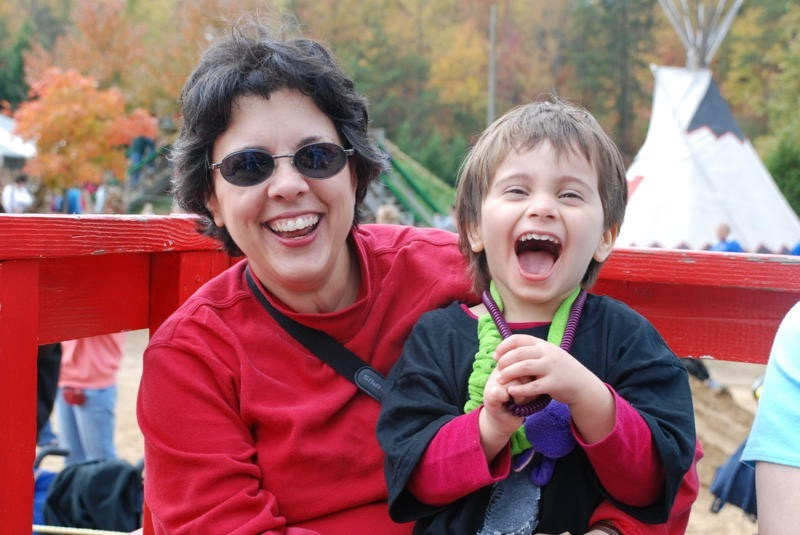
Elena was blossoming. And so was I. Despite a divorce, being a busy, single mom to two, and returning to the workforce full-time, I thought I had it all together. I was back to writing for enjoyment, I expanded my photography hobby from baby pictures to flowers and nature, and I even went to a few weekend retreats for mothers of children with special needs where I met “my tribe” of fierce, wonderful women.
Elena turned 18
As Elena approached 18 those weeds of fear, overwhelm, and despair started to take hold again when I realized that I didn’t just need to take care of Elena for the rest of my life. I was already doing that very well. I needed to take care of Elena for the rest of her life.
And I had no idea how I was going to do that.
I jumped into creative research mode. Just like with our homeschooling journey I envisioned the life I thought would work best for Elena and our family, then I researched what others had done, what support options were available (especially financial), and how I could create a sustainable structure for Elena that would ensure she was well cared for the rest of her life.
First, I got guardianship in place with the help of an attorney versed in the requirements of lifelong care for someone with a disability. With limited immediate family, and no one who would step into the role of “live-in mom” when I was no longer physically capable of living with Elena, I knew I would eventually need to outsource some tasks to a private, paid case worker or other professional. We already had a special needs trust in place, but I doubted that would pay for everything, especially since while her diagnosis limits her ability to live independently, it should not limit her lifespan.
I assumed I had time to figure all this out.
Then I had a minor health scare. 18-hours in the hospital, away from Elena, showed that my plan for Elena had a “single point of failure” – which was me – and therefore was not sustainable. I needed to find more support for Elena and identify additional people who could step in as needed.
I wanted Elena to stay in my house with me. But I couldn’t continue to provide the care she needed without more paid support.
I requested the Developmental Disability (DD) Community Living Waiver. Reluctantly, I started researching group homes, thinking that was our only option. But the more I researched, the more I despaired.
What Elena actually needs
I knew Elena flourished in a familiar environment, supported by reliable, consistent trustworthy people. It took her months to get accustomed to new people – and longer for them to learn how to interpret her subtle communication cues – so wherever she lived, staff turnover had to be low.
- A schedule structured around her needs and desires, flexible enough for ever-changing medical and sensory requirements
- A strict, allergy-safe, ketogenic diet for seizure control — and no chemical fragrances, commercial cleaning products, or carpeting
- Only female caregivers and roommates, to keep her safe
- Constant access to her Alternative Communication (AAC) device — and caregivers fluent enough in it to facilitate
- Weekly therapists and frequent medical support
- And fun — farms and zoos, babies and toddlers, the mall, music on car rides, petting dogs, room to recharge, and hours of water or sandbox play
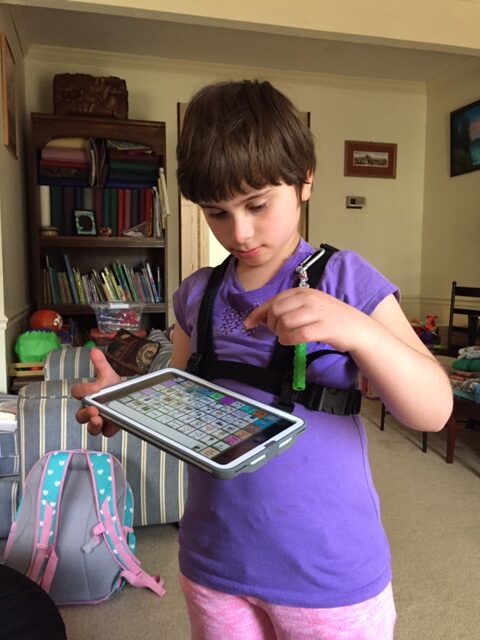
The list of what would help Elena live her best life went on and on. And I couldn’t imagine someone who didn’t love Elena, who was only paid to care for Elena, who had a schedule to keep and other people they needed to care for, being able to accommodate her special needs and wishes.
Mostly I worried they wouldn’t be able to keep her safe. I’d heard horror stories about group homes. I’d heard of residents who wandered away from the home and weren’t discovered missing for hours. I’d heard of abuse – verbal, physical, sexual, emotional. I’d heard sad stories of those neglected, forgotten, or ignored.
While I know there are some good, safe, compassionate group homes that work for many people, the idea of putting Elena in the care of other people who don’t love her like I do, and may not be competent, careful, or safe, terrified me.
And it fills me with peace knowing she is safe, loved and cared for while with me. But I couldn’t continue to provide that care with only limited, sporadic support – not without jeopardizing my own health and my longevity. I didn’t know how I was going to figure this out.
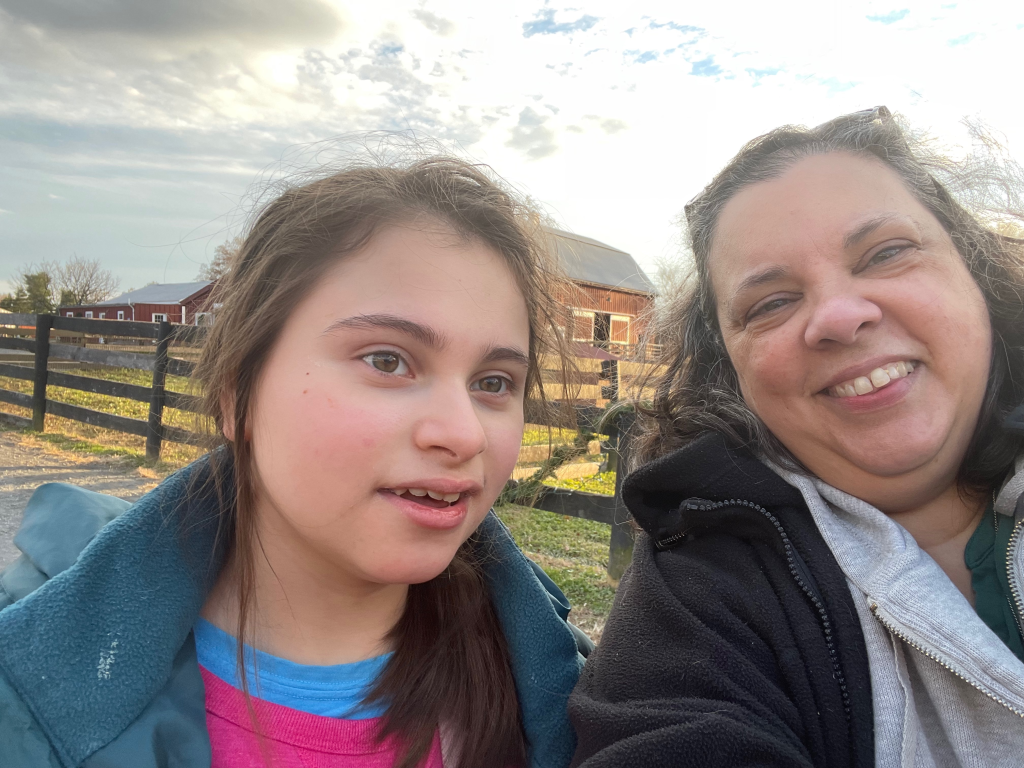
Then another mom told me about Sponsored Residential
- Recruit and retain qualified staff by paying a competitive wage and providing benefits, such as medical insurance and vacation pay
- Pay myself or a family member to care for Elena
- Pay housing costs – mortgage, utilities, or whatever is needed to maintain the home
- Pay for an existing day program – or use the funds to create my own day program with outings and activities for Elena
- Pay for therapies, medical care, medications and supplements
- Pay for food
- Pay for anything else needed to care for Elena
Elena’s SSI Disability benefits continue as well.
Virginia’s Sponsored Residential Program allows for 1-2 individuals with disabilities to be housed in the home. So, for families with 2 loved ones with disabilities, it’s possible to remain together in the home. For those with just one individual (like Elena), if we want, we can invite in a second roommate with a disability with their Community Living Waiver funds being paid to the Sponsor to provide the care and resources the second individual needs.
It’s exactly what we need for Elena to stay with me, in our house, with adequate paid support.
The paperwork, in full, before you decide
I was ready to jump into the program but was warned about the extra paperwork and requirements I’d need to complete to qualify. Just like a non-family-run group home, Sponsored Residential Sponsors need to comply with government regulations. This includes:
Housing approval
For our house that included: fire extinguishers and additional smoke detectors; a locking cabinet for medication, supplements, knives, and some cleaning products; documentation; a lock on Elena’s bedroom door; lowering the hot water heater to 110–120 degrees; a landline telephone for 911 calls; and three days’ worth of food and water on hand for emergencies.
Home ownership is not a requirement. Rental properties can be used, as long as you can make the improvements required for the home to qualify.
Caregiver approval
For every adult in the home and every paid caregiver: full background checks, Tuberculosis (TB) testing, letters of recommendation, proof of high school (or higher) education, and DMV driving history for anyone driving the individual.
Sponsor documentation
A budget estimate; proof of financial resources for three months based on that budget; a floor plan and fire evacuation plan for your home; and insurance — auto, homeowner’s, and a $1M umbrella policy.
Training, for every caregiver
CPR and First Aid; the 32-hour Medication (MAT) course, required for anyone giving the individual medication or supplements; safety and behavior training; and agency training from whichever agency you register with.
Ongoing tasks
Daily progress notes (there are online apps that make this easier); monthly visits from the agency; monthly fire evacuation drills and checks of smoke detectors and supplies; and notifying the agency and CSB of any safety or medical incident, with full details.
Even with my background in government regulations, preparing everything for compliance with the program was challenging. Some of these activities are things that I, as Elena’s mom, never thought I’d need to do.
But, in my mind, if I can keep Elena with me, and get the additional support I need to do that, it’s worth it.
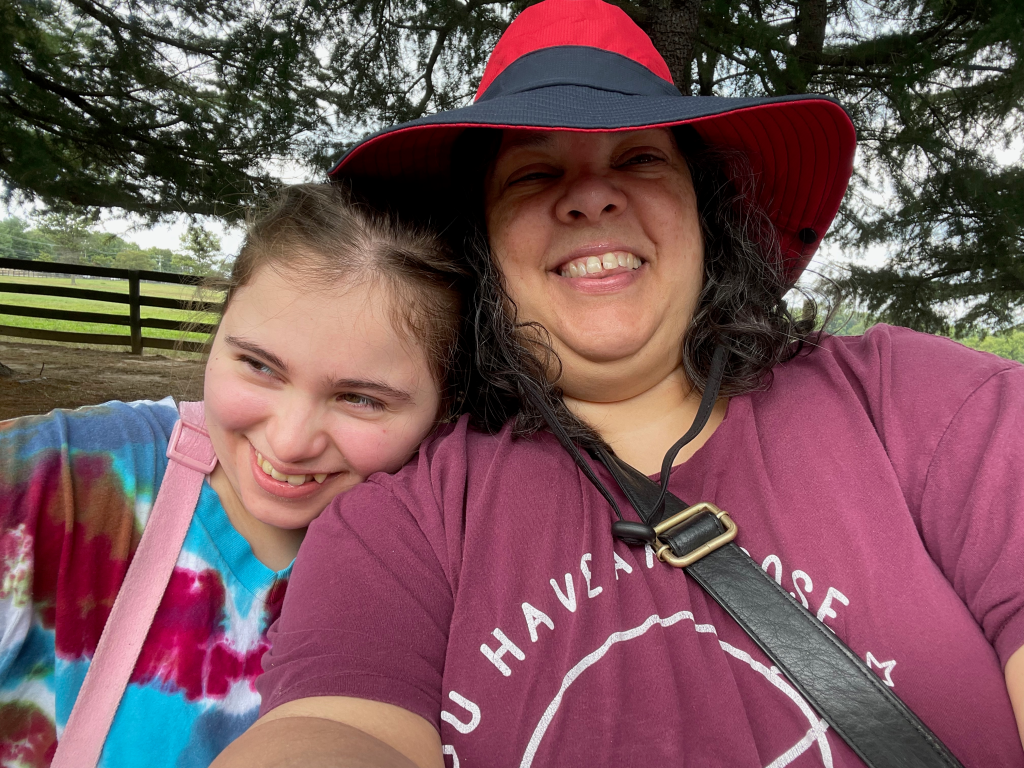
I'll walk this road with you
Side-by-side, and document-by-document. Email me for the Individual Group Home Roadmap and Housing Checklist, or to talk through your options on the phone.